Connecting Mobile Platform Features to Variant Selection in Table Games via Structured Player Advancement Programs
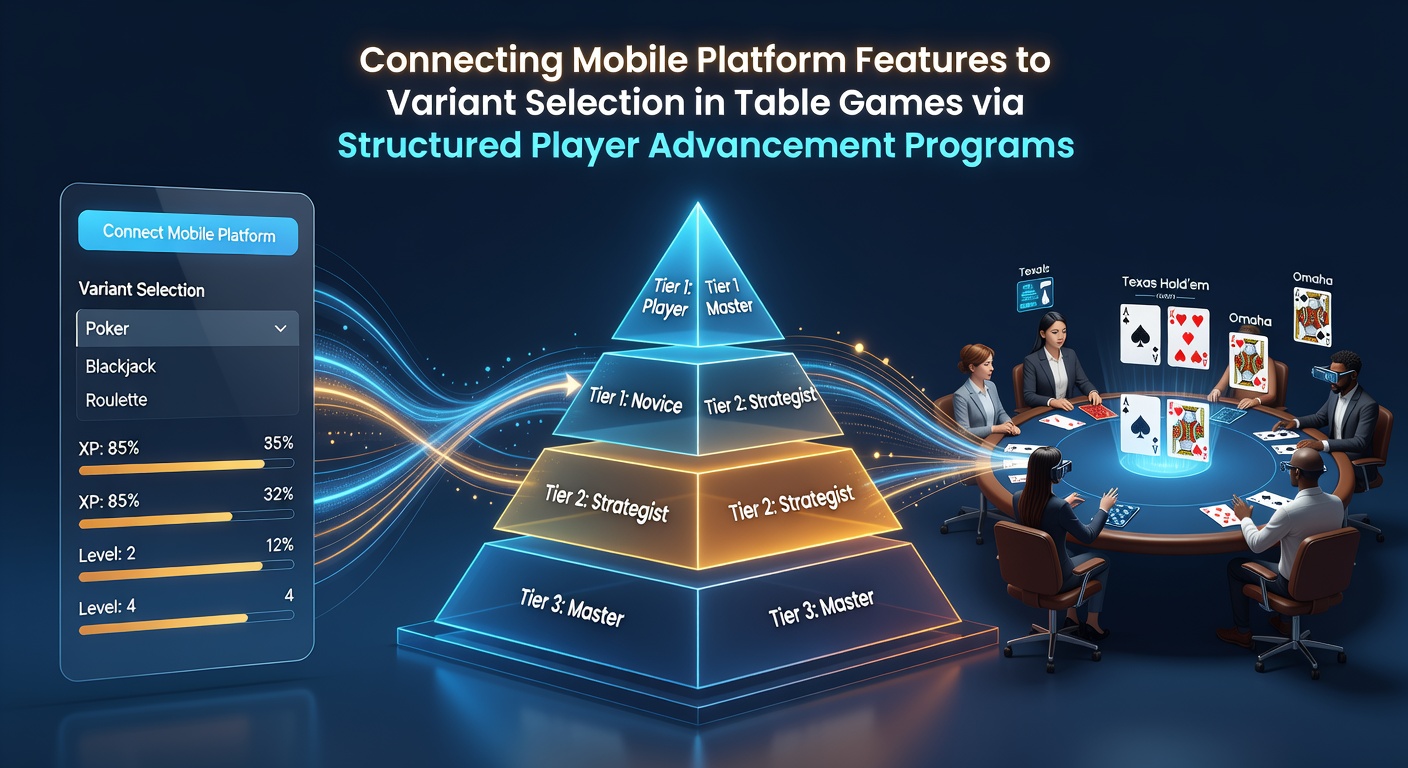
Structured player advancement programs on mobile platforms link tiered progression systems directly to table game variant choices, and these connections operate through accumulated points, unlocked features, and personalized recommendations that guide selections in blackjack, roulette, and poker variants. Mobile applications record player activity across sessions, then map that data onto advancement ladders where each level grants access to specific game modifications or bonus structures tied to particular variants.
How Advancement Programs Interface with Mobile Features
Platforms build these systems by integrating real-time tracking tools with loyalty mechanics, so when a player completes objectives such as reaching a set number of hands or achieving a win rate threshold the system automatically surfaces variant options that align with the current tier. Push notifications and in-app dashboards deliver these suggestions at moments when engagement data indicates readiness for new challenges, and the interface displays available variants with clear indicators of which ones become selectable only after certain milestones. Research from gaming technology providers shows that such integrations increase session duration because players receive immediate visual feedback on how their progress opens new choices in live dealer environments or automated table formats.
Variant Selection Mechanisms in Practice
Blackjack variants often appear as progression rewards when players advance through bronze to silver tiers, with options like multi-hand play or side bet additions becoming available once points thresholds are met. Roulette selections follow similar patterns where European or American layouts unlock alongside speed variations and multiplier features after gold or platinum status is achieved, and the mobile platform uses geolocation plus device performance data to ensure the chosen variant runs smoothly on the user's hardware. Observers note that these connections reduce decision friction because the advancement program pre-filters variants based on prior play history rather than presenting an unorganized list of every possible option.
Data compiled by the New Jersey Division of Gaming Enforcement indicates rising participation in tiered mobile table game programs during the first half of 2026, with variant-specific engagement metrics showing measurable shifts toward higher-complexity options among players who reach mid-level advancement stages. In June 2026 further reports from the same agency highlighted how structured programs correlate with increased selection of live dealer variants over fully automated ones once players accumulate sufficient loyalty points.
Role of Personalization Algorithms
Algorithms within mobile platforms analyze patterns such as average bet size, preferred session length, and historical variant performance to recommend next steps in the advancement path. When a player demonstrates consistent success in standard blackjack the system may surface a switch to double-deck or Spanish 21 variants as the logical progression, while frequent roulette participants receive prompts toward multi-wheel or mini-roulette formats that carry higher point multipliers. These recommendations appear within the advancement dashboard alongside progress bars that display exactly how many additional sessions or specific achievements stand between the current tier and the next set of unlocked variants.
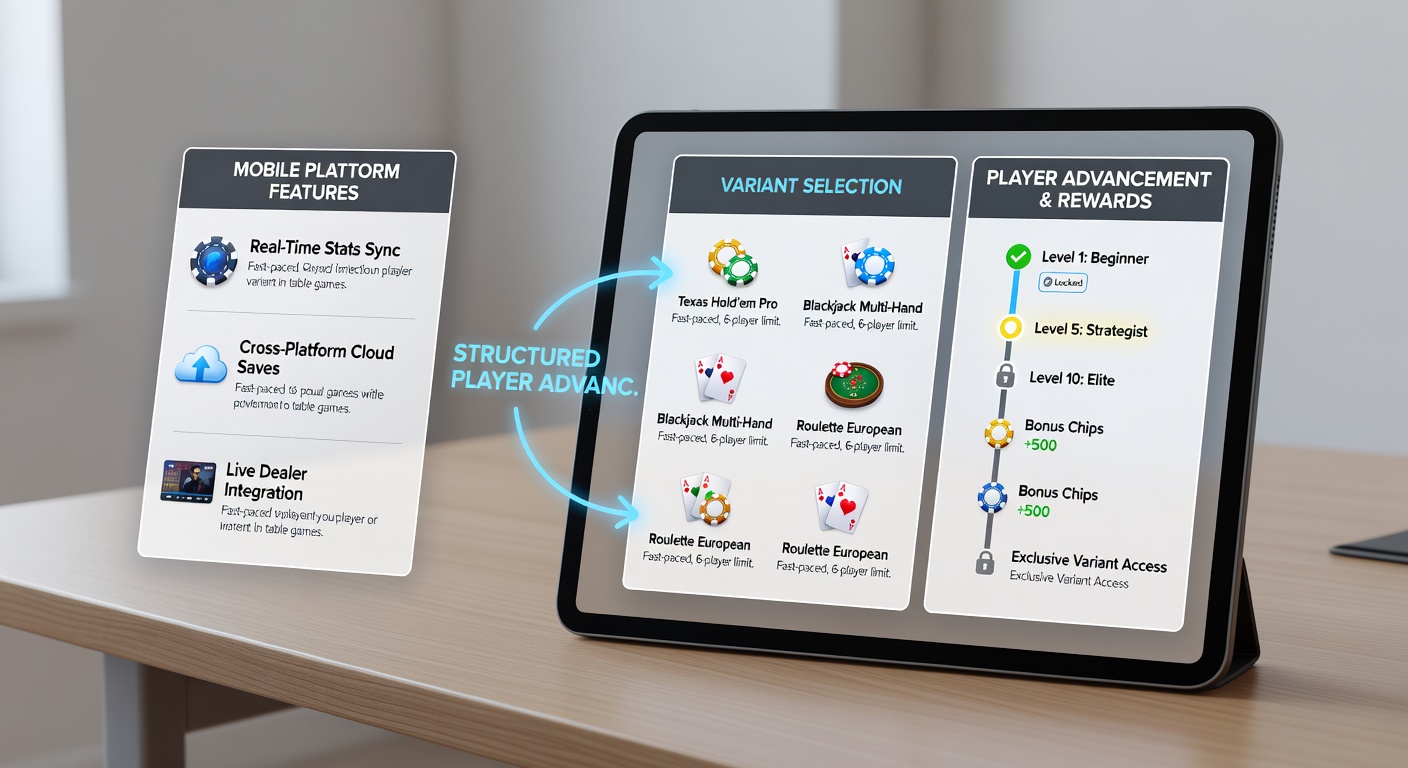
Cross-platform synchronization allows players to continue advancement sequences across multiple devices, and this continuity ensures that variant selections made on a tablet carry over to a smartphone session without resetting progress indicators. Security protocols verify identity at each login while preserving the advancement history that determines which table game modifications remain accessible.
Regulatory Context and Platform Compliance
Regulatory frameworks in multiple jurisdictions require transparent disclosure of how advancement programs influence game variant availability, and platforms must maintain audit logs that connect point accumulation directly to specific unlocks. The Alcohol and Gaming Commission of Ontario has documented similar requirements for mobile operators, emphasizing that variant selection interfaces must clearly state the advancement criteria without misleading representations. Compliance teams routinely test these systems to confirm that players encounter accurate information about which variants require additional tier status before selection becomes possible.
Conclusion
Connections between mobile platform features and table game variant selection continue to evolve through structured advancement programs that rely on data-driven personalization and tiered reward mechanics. These systems operate by translating player activity into measurable progress that directly expands available game options, and regulatory oversight ensures the mechanisms remain transparent across different markets. As mobile technology advances further integrations between tracking tools and variant libraries are expected to refine how players navigate table game choices within loyalty frameworks.