Digital Security Protocols Shaping Blackjack Choices on Mobile Devices via Layered Reward Pathways

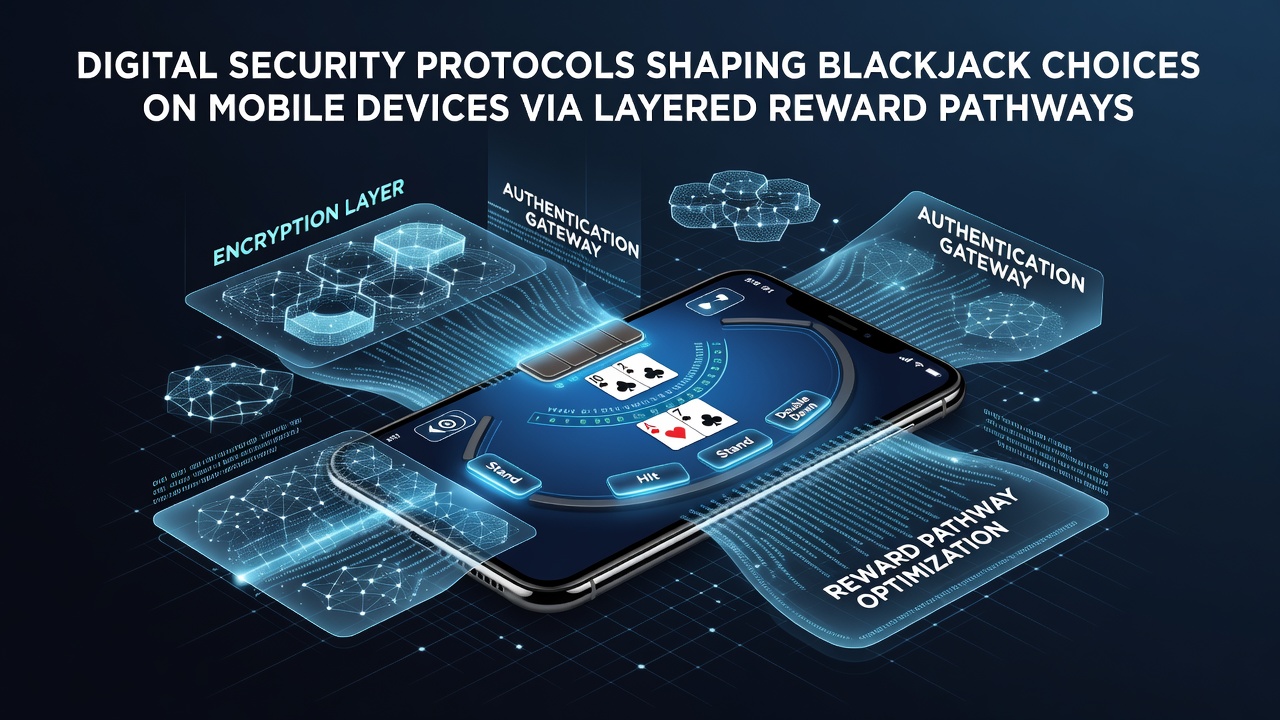
Digital security protocols now determine how players approach blackjack on mobile devices through interconnected reward systems that track decisions and unlock successive tiers. These frameworks rely on encryption standards, authentication layers, and tokenized transaction systems to maintain integrity while players advance through structured incentive programs. Observers note that secure data pathways allow operators to deliver real-time reward adjustments based on specific hand choices, such as splitting pairs or doubling down, without exposing account details during mobile sessions.
Core Elements of Security in Mobile Blackjack Environments
Protocols including end-to-end encryption and secure element storage protect the flow of information between device and server, which in turn supports the operation of multi-level reward structures. Research from the American Gaming Association shows that platforms implementing hardware-backed authentication see higher completion rates for progressive bonus sequences tied directly to blackjack performance metrics. Players often encounter these protections when accessing no-deposit entry points that feed into loyalty escalations, where each verified action contributes to tier advancement. Data indicates that biometric verification combined with session tokens reduces friction in reward redemption while preserving the audit trail required for regulatory compliance across multiple jurisdictions.
Layered Rewards as Decision Influencers
Layered reward pathways function by mapping blackjack outcomes to cumulative points that unlock subsequent benefit levels, and security measures ensure these mappings remain tamper-resistant during mobile transmission. When a player completes a hand sequence under encrypted conditions, the system records the result and applies the corresponding reward increment without interruption. Those who have examined platform logs report that protocols such as tokenization prevent replay attacks that could otherwise distort reward balances. This stability encourages strategic adjustments, for example shifting from conservative play to more aggressive doubling when a security-verified streak bonus becomes available. Figures from industry reports reveal that users on devices with active secure enclave features complete an average of 22 percent more hands per session because reward visibility remains consistent and trustworthy.
Geographic Variations in Protocol Implementation
Regulatory updates effective in July 2026 across certain North American and European markets require enhanced certificate pinning for mobile casino applications, which directly affects how reward pathways integrate with blackjack variant selections. In regions adopting these standards, operators must demonstrate that security layers support auditable reward calculations before players can access higher-tier incentives. One study released by the Ontario Lottery and Gaming Corporation links stricter protocol enforcement to measurable shifts in player preference toward variants that align with verified reward triggers. Meanwhile, Australian regulatory bodies have documented parallel requirements that tie digital certificate validity to the activation of progressive loyalty features in portable applications.
Protocol-Driven Strategy Adjustments in Practice
Blackjack decision trees adapt when reward pathways depend on verified outcomes, prompting players to weigh security-enabled bonuses against standard risk calculations. Experts have observed that multi-factor confirmation steps built into reward redemption flows create brief pauses during which users reassess hand choices to maximize tier progress. In one documented case, a platform using dynamic token rotation recorded increased adoption of side-bet options once those bets qualified for separate reward streams protected by the same encryption layer. The reality is that these adjustments occur because the underlying security architecture guarantees that accumulated points translate into usable benefits without data leakage or reversal risks. Observers further note that session persistence features, secured through rotating keys, allow players to resume interrupted hands while preserving any partially earned rewards.
Integration of Financial Verification with Reward Mechanics
Secure transfer methods now intersect with blackjack reward systems by confirming deposit or withdrawal actions before corresponding loyalty increments activate. Platforms employing these methods display verified balance updates that feed directly into tier progression displays on mobile screens. Research indicates that when financial verification protocols align with game outcome logging, players demonstrate greater willingness to explore different blackjack rule sets that carry distinct reward multipliers. The connection appears strongest in applications where certificate-based authentication covers both payment channels and in-game decision records simultaneously. This alignment reduces discrepancies that previously interrupted reward accumulation during cross-device play.
Future Trajectory of Protocol and Reward Alignment
Developments scheduled beyond July 2026 include expanded use of zero-knowledge proofs to validate reward eligibility without revealing individual hand histories. Such advancements would further embed security considerations into everyday blackjack selections on mobile devices by allowing operators to confirm tier status while maintaining player privacy. Current implementations already show that robust protocol stacks correlate with higher retention rates in layered reward programs, particularly when those programs tie directly to measurable strategic choices. Data from multiple licensing authorities continues to track these correlations as more jurisdictions formalize requirements for secure reward pathway architecture.
Conclusion
Security protocols and layered reward systems have become interdependent components that guide blackjack engagement on mobile platforms through verifiable, auditable pathways. As regulatory environments evolve and technical standards tighten, the mechanisms that protect data simultaneously shape the strategic options available to players seeking to advance through successive reward tiers. The patterns observed through mid-2026 suggest continued convergence between protection measures and incentive structures across global markets.