How Cryptocurrency Integration Reshapes Player Pathways Through Layered Reward Mechanisms in Digital Card and Wheel Experiences

Digital card and wheel experiences continue to evolve as cryptocurrency enters mainstream integration across online platforms, and data from industry reports shows this shift alters how players move through reward structures in measurable ways. Blockchain-based tokens now serve as both currency and incentive layers, which means participants accumulate points, multipliers, and tier access through transactions recorded on distributed ledgers rather than centralized databases alone.
Core Mechanics of Crypto-Driven Reward Layers
Layered reward mechanisms operate by stacking multiple incentive types onto single gameplay sessions, and cryptocurrency enables instant settlement of these layers because transactions clear without traditional banking delays. Players deposit digital assets to unlock base access, then earn additional tokens for completing specific sequences in blackjack hands or roulette spins, which in turn feed into higher tiers that grant exclusive table variants or wheel configurations.
Research from the International Gaming Institute indicates that platforms using stablecoins for these layers report higher session continuity rates compared to fiat-only systems, since users avoid currency conversion friction at each reward milestone. The structure typically includes entry-level token grants for initial deposits, mid-tier multipliers tied to consecutive wins or strategic decisions, and top-tier NFT badges that persist across sessions and unlock custom game rules.
Pathway Changes in Digital Card Experiences
Card-based games such as blackjack and baccarat see direct pathway reshaping when crypto wallets link directly to loyalty engines, and this connection allows real-time tracking of decision trees that influence reward velocity. A player who splits pairs at optimal moments or doubles down under precise count thresholds can trigger automated token releases that accelerate tier progression, whereas traditional systems required manual review periods before credits appeared.
Observers note that as of June 2026 several platforms have embedded smart contracts that verify hand outcomes on-chain, which reduces disputes and speeds the distribution of layered bonuses. These contracts execute predefined conditions, such as awarding bonus crypto after a player reaches a certain number of accurate insurance bets within a single shoe, thereby creating predictable advancement routes that participants can plan around.
Wheel-Based Game Adaptations and Crypto Incentives
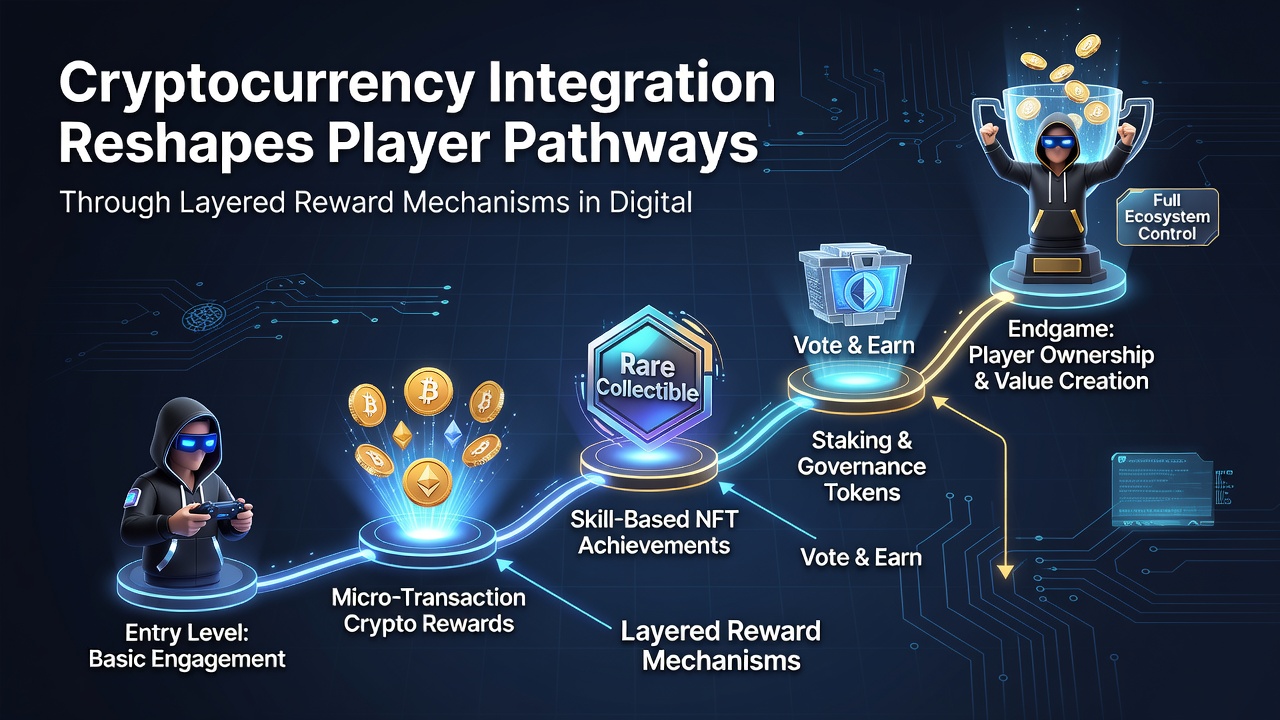
Wheel experiences including roulette and big wheel variants incorporate cryptocurrency through dynamic betting limits that adjust based on a user's token holdings and historical engagement data. Platforms adjust minimum and maximum stakes automatically when a player crosses reward thresholds, which creates fluid pathways where higher tiers open previously restricted wheel segments or allow participation in progressive jackpot pools funded by pooled crypto contributions.
Figures from the European Gaming and Betting Association reveal that integration of crypto payment rails has increased average wager frequency per session in wheel games by enabling micro-adjustments to bet sizes without repeated authorization steps. Players move from standard European roulette into high-volatility variants after accumulating sufficient on-chain activity points, and the transition happens seamlessly because the underlying ledger confirms eligibility instantly.
Broader Platform and Regulatory Context
Jurisdictional frameworks continue to shape how these reward layers function across borders, and operators must align crypto mechanics with local financial reporting rules while maintaining transparent on-chain audit trails. Several regions have introduced guidelines requiring platforms to disclose token volatility risks to users before they enter layered reward programs, which affects how quickly new participants advance through early tiers.
Technical infrastructure supporting these systems relies on hybrid models that combine public blockchains for token transfers with private ledgers for sensitive game outcome data. This architecture keeps reward calculations fast while preserving the immutability that players expect when tracking their pathway progress over multiple sessions.
Conclusion
Cryptocurrency integration continues to modify player pathways in digital card and wheel environments by embedding verifiable, multi-stage reward systems directly into gameplay loops. The combination of instant settlement, automated tier advancement, and on-chain verification produces measurable shifts in how participants navigate from entry-level sessions to premium experiences. As platforms refine these mechanisms through 2026 and beyond, the data indicates sustained changes in session length, wager patterns, and cross-game progression that distinguish crypto-enabled environments from earlier digital formats.