How Emerging Verification Technologies Are Altering Access Patterns to Promotional Offers in App-Based Gaming Ecosystems
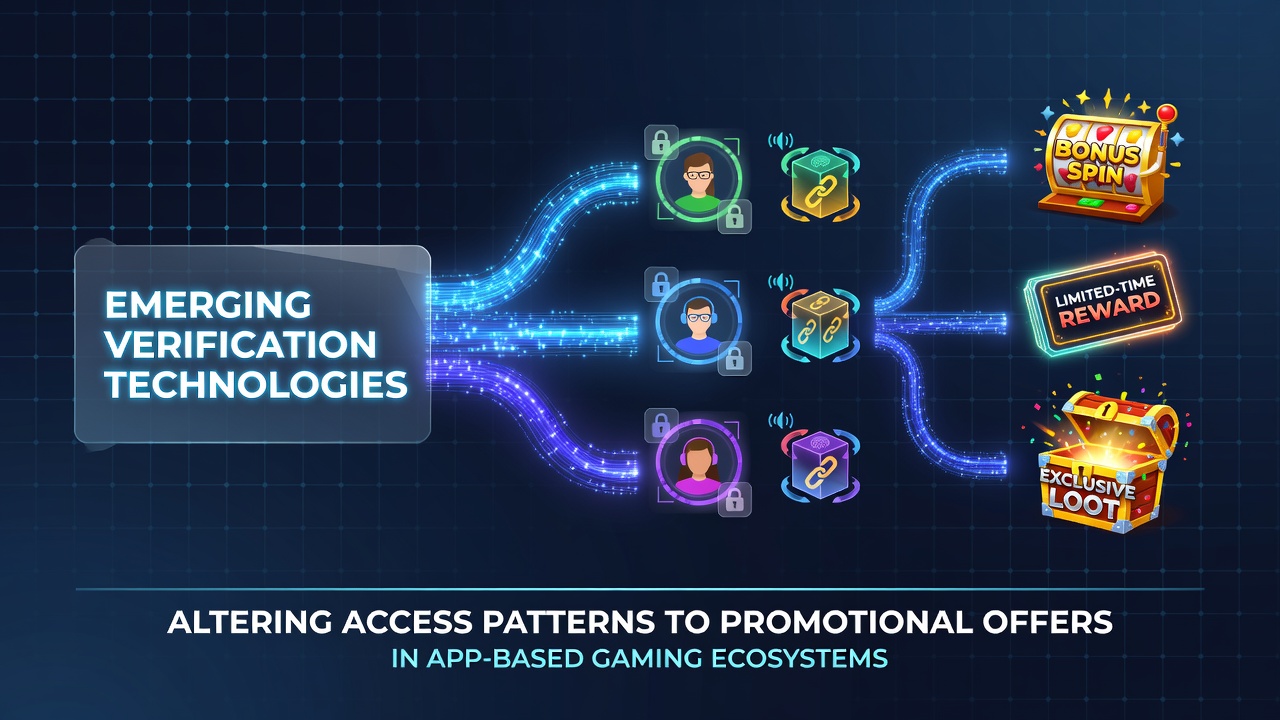
Verification technologies continue to evolve rapidly within app-based gaming ecosystems, and they directly influence how players reach promotional offers such as deposit matches, free spins, and loyalty rewards. Biometric authentication systems, artificial intelligence-driven identity checks, and blockchain-based credential storage now determine eligibility and timing for these incentives in ways that differ from earlier manual processes. Observers note that these tools create new access patterns where verified users encounter offers almost immediately upon login, while unverified accounts face delays or additional steps that stretch across multiple sessions.
Core Technologies Driving the Shifts
Facial recognition paired with liveness detection has become standard in many mobile gaming platforms since its wider adoption in 2024, and it allows systems to confirm user identity within seconds rather than hours. Voice biometrics and device fingerprinting further layer onto these methods, which means promotional offers tied to first-time deposits or tiered loyalty programs activate only after the platform cross-checks multiple data points in real time. Data from industry reports shows that platforms using these combined approaches report verification completion rates above 85 percent within the first app session, compared with previous averages that required follow-up emails or document uploads.
Blockchain ledgers store verification credentials in decentralized formats, and this setup lets users carry verified status across different gaming apps without repeating the full identity process each time. Researchers at academic institutions have documented how such portability reduces friction for players who move between slot titles and table game variants, because the system recognizes prior checks and unlocks targeted promotions automatically. In July 2026 several major app developers integrated updated standards from the National Institute of Standards and Technology digital identity guidelines, which standardized these cross-platform handoffs and further streamlined offer delivery.
Changes in Player Access Timing and Eligibility
Access patterns have shifted from batch releases of promotions at fixed times to continuous, individualized rollouts that depend on verification status. Players who complete biometric checks early in the day often receive personalized offers within minutes, whereas those who skip or delay verification encounter locked sections until the process finishes. This timing difference alters daily engagement rhythms, because users now plan sessions around when their verified status unlocks specific rewards rather than waiting for weekly or monthly cycles.
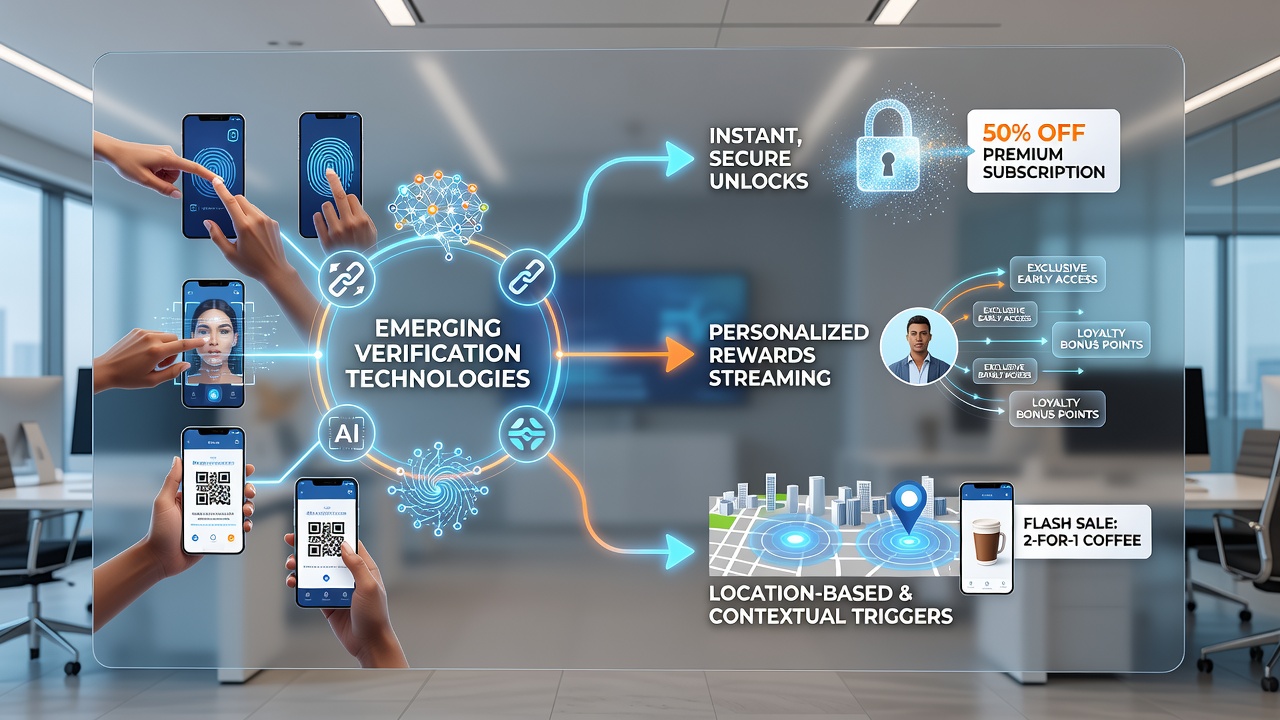
Eligibility rules have grown more granular as well. AI models now analyze verified transaction histories and device consistency to decide which promotional tiers apply, and this replaces broader demographic targeting used in earlier years. One study from a Canadian research consortium found that verified accounts received an average of 2.3 times more targeted offers per month than unverified ones, because the system could match incentives to actual play patterns without manual review. Those patterns include frequency of live dealer sessions and progression through progressive jackpot games, both of which now feed directly into offer algorithms once verification clears.
Regulatory and Platform Responses
Jurisdictions across North America and Asia-Pacific regions have updated compliance requirements to accommodate these technologies, and platforms must demonstrate that verification methods meet security thresholds before promotional systems activate. European regulators outside the United Kingdom have referenced similar frameworks in their licensing updates, which has encouraged app developers to adopt uniform verification layers that satisfy multiple markets at once. The result appears in consistent access protocols that let players move between regions with fewer interruptions to their reward pathways.
Industry organizations such as the Gaming Standards Association have published technical specifications that guide how verification data integrates with promotional engines, and these documents emphasize audit trails that record every eligibility decision. Platforms following these specifications show fewer disputes over locked offers, because the recorded verification events provide clear timestamps and status changes that resolve questions quickly.
Conclusion
Emerging verification technologies continue to reshape the pathways through which players reach promotional offers inside app-based gaming ecosystems. Faster identity confirmation, portable credentials, and data-driven eligibility rules have replaced slower manual methods, and these changes produce more immediate yet more selective access patterns. As standards evolve further in the coming months, the same technologies are expected to maintain their central role in determining when and how incentives become available across mobile platforms.