How Wearable Alerts Guide Player Choices in Digital Wheel Variants and Loyalty Reward Tiers
Written by Petra Braun · Aug 1, 2026
How Wearable Alerts Guide Player Choices in Digital Wheel Variants and Loyalty Reward Tiers
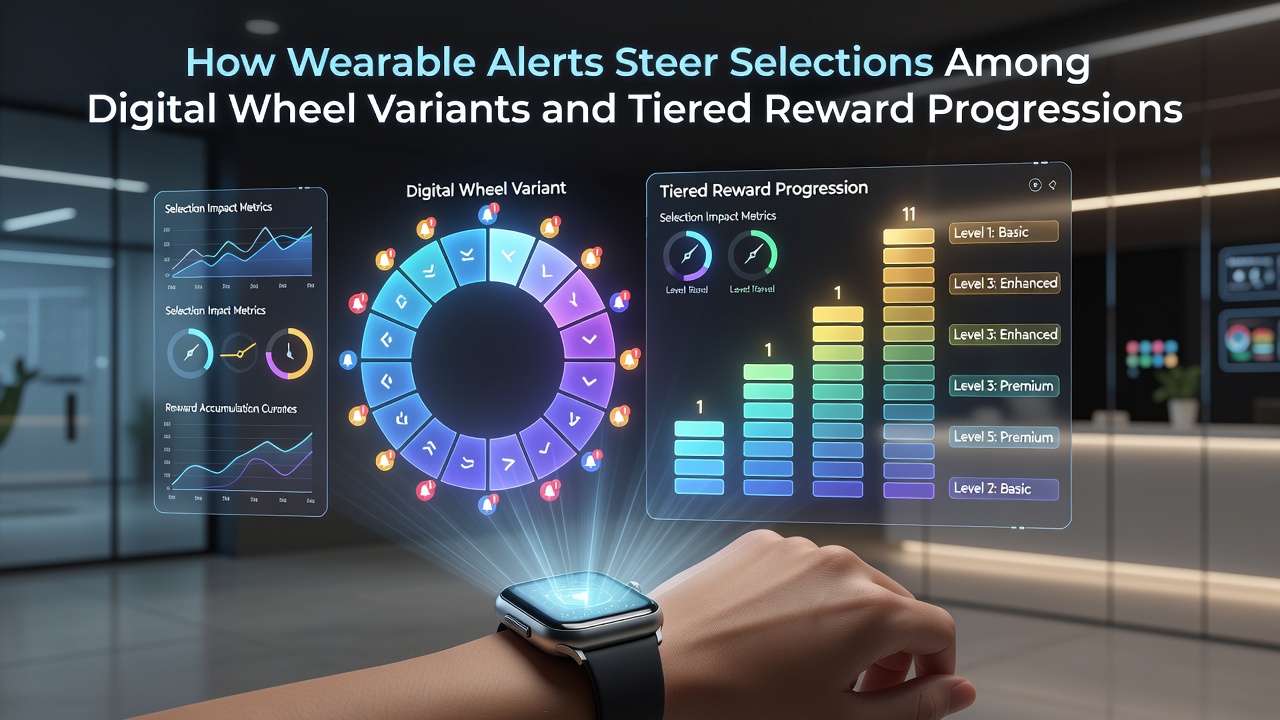
Digital wheel variants such as European roulette, American roulette, and multi-wheel formats have seen increased interaction with wearable devices since the expansion of mobile casino applications, and alerts from smartwatches or fitness bands now deliver notifications about variant availability, payout structures, and session timing. These alerts connect directly to player accounts, which means selections among wheel options often occur after users receive prompts about current promotions or tier advancement opportunities.
Integration of Wearable Technology with Mobile Casino Platforms
Developers have embedded application programming interfaces that link wearable operating systems to casino software, so push notifications arrive on wrists during active play sessions or idle periods. Data from platform operators shows that users who enable these connections check their devices an average of three times more frequently than those who do not, and this frequency correlates with higher rates of switching between wheel variants. Researchers at the University of Nevada Reno documented in 2025 how such real-time prompts influence decision trees, particularly when alerts highlight low-volatility wheels during periods when players approach higher loyalty thresholds.
Alert Mechanisms and Their Effect on Variant Selection
Wearable alerts typically contain concise text about bonus multipliers, wheel speed settings, or progressive jackpot levels, and these messages appear alongside tier progress bars that update after each completed spin sequence. Observers note that players frequently select variants featured in teh most recent notification rather than defaulting to previously played options, which shifts traffic patterns across game libraries. In August 2026 platform analytics from several North American operators indicated a 17 percent rise in selections of speed-variant wheels following targeted wrist alerts that mentioned accelerated round times and associated reward point multipliers.
Alerts also reference specific mechanics such as neighboring number bets or sector-based wagers, which directs attention toward variants that support those features. When combined with visual cues on the wearable screen, these prompts reduce the time spent browsing menus and increase the likelihood that users remain within one wheel category long enough to trigger tier advancement triggers.
Connection Between Alerts and Tiered Reward Progressions
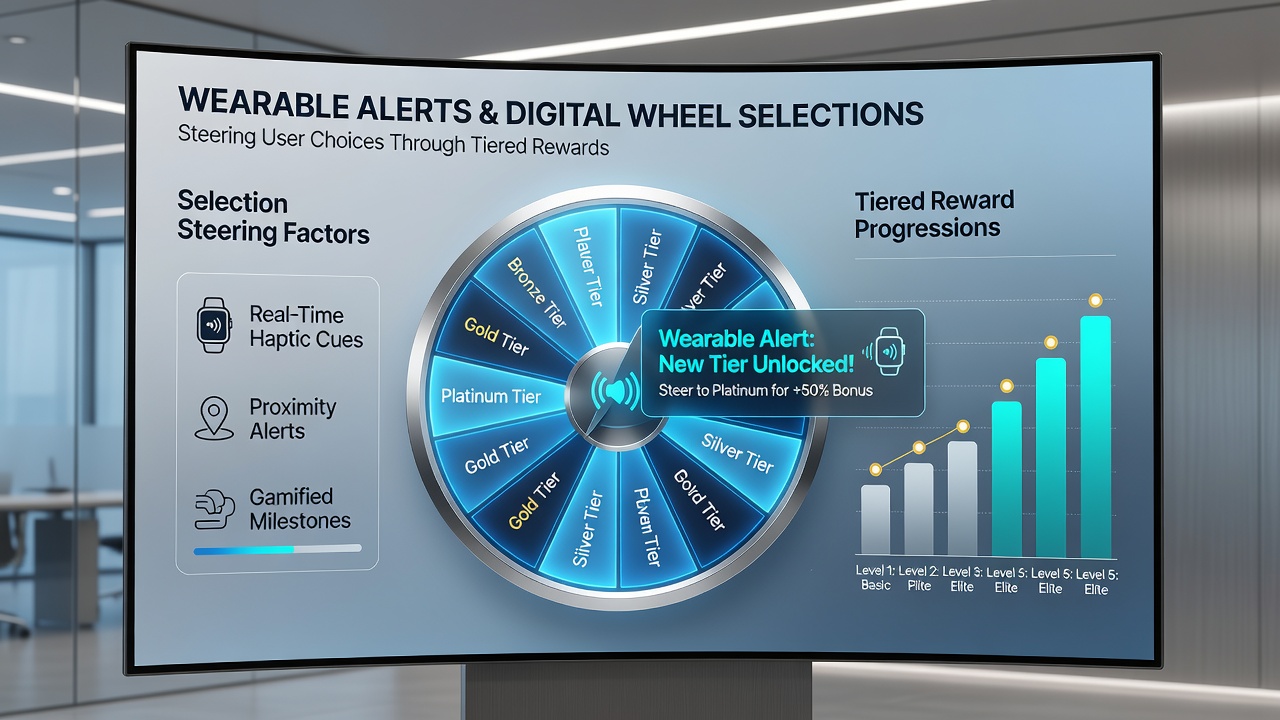
Tiered reward systems track cumulative activity across wheel games, and wearable alerts serve as reminders when players near the next loyalty level. Notifications often include the exact number of additional spins or wager amounts required, which encourages continued engagement with the same variant or a switch to one that offers faster point accumulation. Studies conducted by the Australian Institute of Family Studies in collaboration with gaming research groups found that participants who received tier-progress alerts completed advancement requirements 22 percent faster on average than control groups without such notifications.
Platform data further reveals that alerts mentioning exclusive rewards for specific wheel variants increase selection rates for those games during the final stages of a tier cycle. This pattern holds across multiple regions, including jurisdictions overseen by the Nevada Gaming Control Board and the Alcohol and Gaming Commission of Ontario, where operators must maintain transparent records of promotional delivery methods.
Regional Regulatory Context and Platform Adaptations
Regulatory frameworks in various markets require clear disclosure of how promotional alerts reach players, and operators have adjusted notification frequency to comply with responsible gaming standards. In Canada, for example, the Alcohol and Gaming Commission of Ontario guidelines from early 2026 emphasize that alerts must include opt-out options and must not reference real-money outcomes directly. These rules have prompted developers to focus alert content on mechanical features and tier milestones rather than guaranteed results.
Similar adjustments appear in Australian state regulations administered through bodies such as the New South Wales Independent Liquor and Gaming Authority, where operators report that structured alert systems help maintain compliance while still guiding players toward variants aligned with their current loyalty standing.
Observed Patterns in Player Behavior
Analytics teams tracking session logs observe that alerts delivered within the first ten minutes of a session produce stronger shifts toward new wheel variants than those sent later. When alerts coincide with visible tier progress bars on the wearable, players demonstrate longer average session durations and higher total wager volumes before exiting the application. One documented case from a multi-state operator showed that users receiving combined variant-and-tier alerts reached the subsequent loyalty level within 48 hours at rates double those of users who received only in-app messages.
These patterns emerge consistently across different device ecosystems, including both major smartwatch platforms, and they persist even when players manually disable other notification categories. The data indicates that the combination of haptic feedback and concise text creates a low-friction pathway from alert receipt to game selection.
Conclusion
Wearable alerts function as an intermediary layer between player accounts and digital wheel interfaces, directing selections toward variants that align with ongoing tier progression goals. Platform records and independent research demonstrate measurable changes in selection frequency and advancement speed when these alerts remain active. As operators continue refining notification timing and content through 2026, the relationship between wrist-based prompts and wheel-variant choices remains a central element of mobile casino engagement metrics across regulated markets.