Jurisdictional Policy Evolutions Reshaping Tiered Advancement in Mobile Chance-Based Gaming
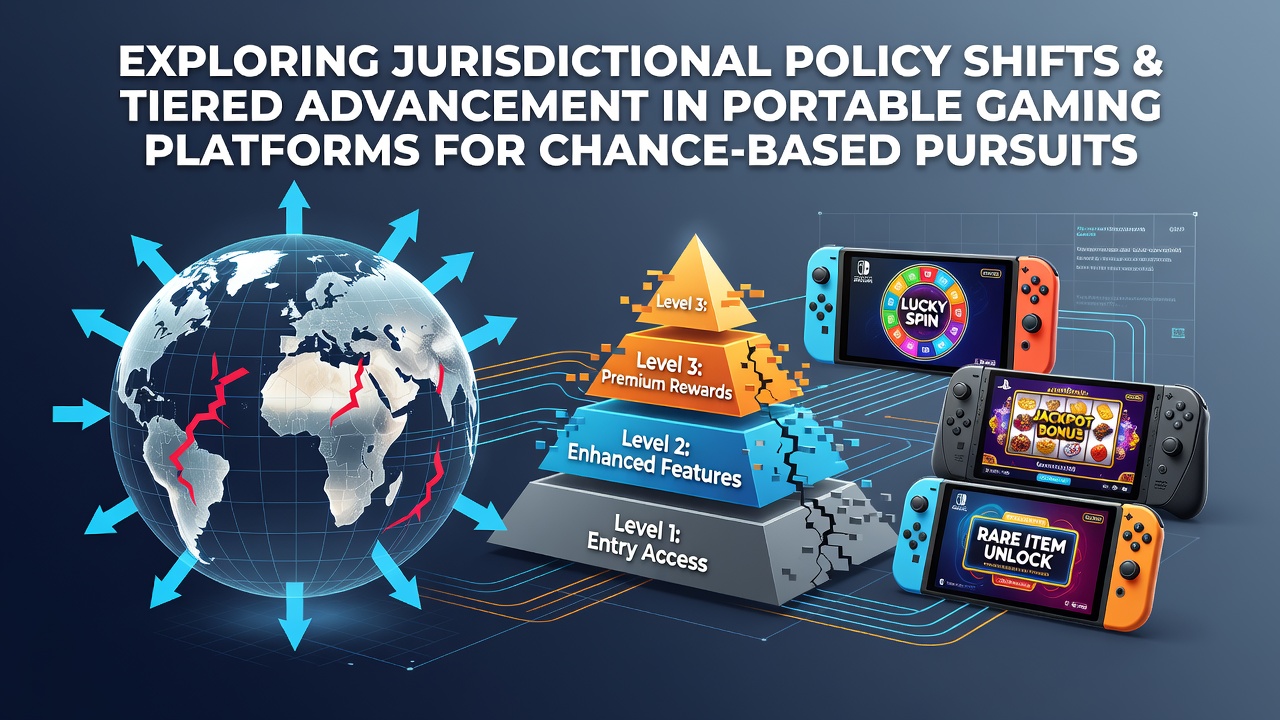 Observers note that recent regulatory adjustments across multiple regions have begun altering how advancement mechanisms operate within portable platforms dedicated to games of chance. These systems typically track player activity through points, levels, and rewards tiers that unlock additional features or incentives as participation accumulates. Jurisdictional changes influence data handling, bonus structures, and eligibility criteria, which in turn modify progression pathways. Research from the Gambling Research Exchange Ontario indicates that updates to player protection standards in Canadian provinces have prompted developers to recalibrate tier thresholds. Points earned from sessions now factor in new verification steps, extending the time required to reach mid-level status in many applications. Data shows these modifications align with broader efforts to integrate responsible gaming tools directly into progression logic, where higher tiers trigger mandatory limit-setting prompts. In Australia, the Australian Institute of Criminology has documented shifts stemming from updated advertising rules that restrict promotional language tied to loyalty programs. Mobile platforms responded by separating tier advancement metrics from marketing communications, ensuring that point accumulation remains independent of targeted offers. This separation affects how users visualize their progress, as dashboards now emphasize activity logs over reward previews.
Effects on Point Calculation and Eligibility
Policy adjustments in several US states have introduced requirements for real-time reporting of tiered activity to regulatory bodies. Platforms must log advancement events and transmit summaries, which adds processing layers that occasionally delay tier updates for users. Figures from the Nevada Gaming Control Board reveal that compliance audits in early 2025 identified discrepancies in legacy calculation methods, leading operators to standardize formulas across devices.
Those who've examined these implementations find that eligibility for premium tiers increasingly incorporates geographic restrictions. Users located in jurisdictions with stricter deposit verification rules encounter modified pathways where certain activities contribute fewer points until identity confirmation completes. Such changes maintain consistency with local statutes while preserving core advancement mechanics.
Regional Variations and Platform Adaptations
European frameworks, including directives from the Malta Gaming Authority, have influenced cross-border platform designs. Developers now embed jurisdiction-specific filters that adjust tier benefits based on user location at login. Points continue to accrue uniformly, yet redemption options narrow or expand according to prevailing rules, creating parallel progression experiences within the same application.

One study released in June 2026 by a collaborative academic group tracking global gaming trends highlighted how these filters reduce friction in compliant regions while increasing it elsewhere. Advancement remains achievable, though the composition of rewards at each tier level reflects local constraints on prize structures and transfer methods.
Integration with Verification and Reporting Systems
Enhanced identity protocols required by updated legislation have integrated directly into tier management software. Platforms now verify accounts before assigning initial tier status, and subsequent advancements trigger additional checks in select jurisdictions. This process lengthens entry into basic tiers yet stabilizes higher-level access once established.
Industry reports note that data transmission standards have evolved to support these integrations without interrupting gameplay flow. Advancement notifications appear after verification completes, maintaining user engagement while satisfying oversight demands. Observers point to similar patterns in multiple markets where policy emphasis on transparency has reshaped backend tier logic.
Future Trajectories in Advancement Design
Analysts project continued refinement as additional jurisdictions finalize rules scheduled for implementation later in 2026. Tier systems are expected to incorporate more granular location-based adjustments, with point multipliers varying by regulatory category. Developers have begun testing modular architectures that allow rapid reconfiguration when statutes change.
Evidence from ongoing monitoring suggests these adaptations preserve advancement incentives while aligning operations with diverse legal environments. Users experience consistent core mechanics, yet the visible benefits and requirements at each tier reflect the specific policy landscape of their access point.
Conclusion
Jurisdictional policy shifts continue to guide modifications in tiered advancement within portable gaming environments for chance-based activities. These alterations affect calculation methods, eligibility verification, and reward availability without eliminating progression opportunities. Data from regulatory and research sources demonstrates measurable impacts on timelines and feature access across regions. Platforms maintain functionality through adaptive designs that respond to evolving requirements while sustaining the underlying structure of tier systems.