Patterns in Blackjack Decision Trees Influencing Utilization of Zero-Deposit Incentives Within Smartphone-Based Dealer Interactions Leading to Loyalty Tier Escalations
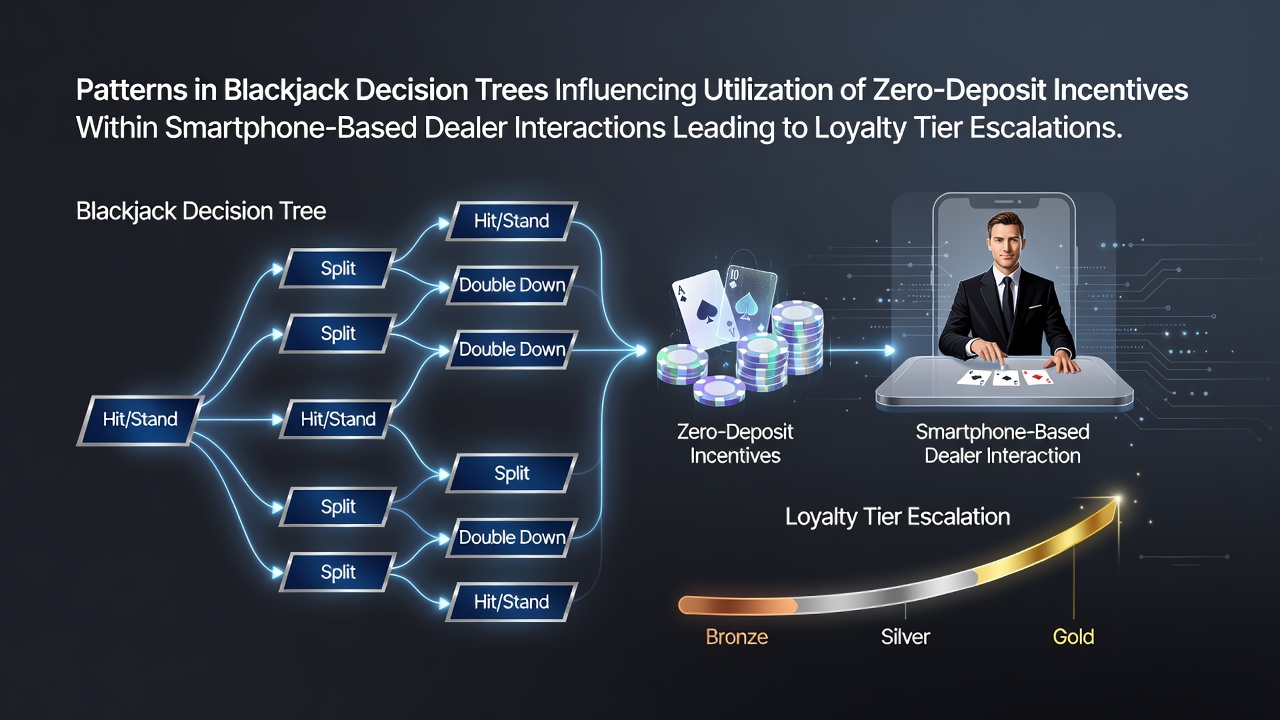
Blackjack decision trees consist of structured charts that outline optimal actions such as hitting, standing, doubling, or splitting based on player hands and dealer upcards, and these frameworks have become integrated into smartphone applications that support live dealer sessions. Data from mobile gaming platforms indicates that players apply these trees when engaging with zero-deposit incentives, which allow initial play without requiring upfront funds, and this combination often accelerates progress through loyalty programs that track points from table game activity.
Decision Tree Structures in Mobile Blackjack Contexts
Researchers have documented how basic strategy trees reduce house edge to approximately 0.5 percent when followed consistently, and in smartphone environments these trees appear as interactive overlays or quick-reference tools during live dealer rounds. Patterns emerge when users access zero-deposit bonuses on these devices because the free credits enable extended practice sessions where adherence to tree branches becomes measurable through session logs. According to industry reports from the American Gaming Association, mobile blackjack participation rose steadily into 2026, with decision tree usage correlating to longer average session durations that contribute to loyalty point accumulation.
Zero-Deposit Incentives and Their Role in Player Pathways
Zero-deposit offers typically provide small credit amounts or free rounds that must meet wagering requirements before withdrawal eligibility, and smartphone-based dealer interactions facilitate rapid cycling through these requirements when players reference decision trees. Observers note that in June 2026 platform analytics revealed clusters of users who combined no-deposit credits with tree-guided play to reach minimum play thresholds faster than those relying on intuition alone. This efficiency stems from reduced variance in outcomes, allowing the same incentive pool to generate more qualifying wagers and subsequent loyalty tier advancements without additional deposits.
Smartphone Dealer Interactions Shaping Behavioral Patterns
Live dealer applications on handheld devices transmit real-time video feeds alongside chat functions and betting interfaces, creating environments where decision trees integrate directly into gameplay flow. Studies from gaming research centers show that players who toggle between tree references and dealer decisions during no-deposit rounds tend to exhibit higher retention rates, as successful hands reinforce continued participation that feeds into tier progression systems. These systems award points based on total wagered amounts across table games, so consistent tree application during incentive periods translates into measurable escalations from entry-level to mid-tier status.
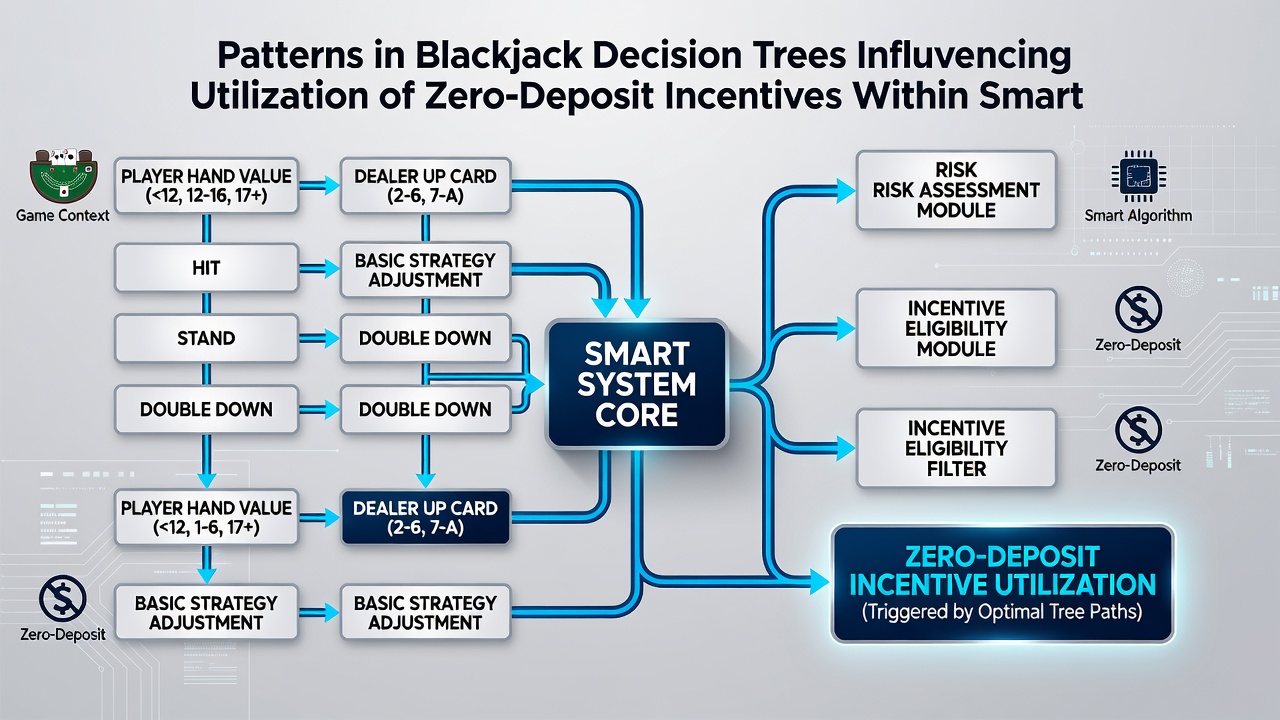
Patterns become evident in aggregated data when zero-deposit utilization coincides with peak hours for live sessions, since dealer interactions often include visual cues that prompt tree consultations. Those who've examined transaction records find that such timing leads to accelerated point totals because bonuses cover the volume needed for tier unlocks, particularly in programs that reset monthly or quarterly.
Linking Tree Adherence to Loyalty Escalations
Loyalty frameworks in mobile casino ecosystems assign escalating benefits such as cashback percentages, exclusive events, and personalized incentives once players surpass point thresholds derived from blackjack wagers. Evidence from platform operators indicates that decision tree users who leverage zero-deposit offers achieve these thresholds with fewer total sessions compared to non-users, because each hand follows mathematically sound branches that minimize unnecessary losses. In June 2026, reports highlighted regional variations where North American and European operators recorded distinct clusters of tier jumps tied to this specific incentive-strategy pairing.
What's interesting is how tree complexity influences outcomes, with advanced multi-deck variants requiring more nuanced decisions that smartphone interfaces now accommodate through swipeable charts. Players who master these during no-deposit phases often carry the habits forward, sustaining the activity levels required for higher tiers without relying on further bonuses.
Observed Data Trends Across Platforms
Analytics compiled by organizations such as the National Council on Problem Gambling and academic partners reveal correlations between decision tree engagement metrics and loyalty program activity spikes following zero-deposit redemptions. Short sessions focused on tree branches during live dealer rounds generate sufficient qualifying play to trigger automatic tier notifications, while longer sessions compound these effects through repeated cycles. The reality is that mobile interfaces lower barriers to tree access, allowing seamless integration that supports steady advancement across multiple loyalty levels.
Conclusion
Patterns connecting blackjack decision trees, zero-deposit incentives, smartphone dealer sessions, and loyalty escalations rest on measurable player behaviors tracked through platform data. Consistent application of strategy frameworks during incentive periods produces the wagering volume needed for tier progression, as confirmed by ongoing reports into 2026. Those monitoring these systems continue to track how interface features and bonus structures shape these pathways across different markets.