Shifts in Player Approaches to Wheel-Based Games Triggered by Advancements in App-Based Financial Processing Systems
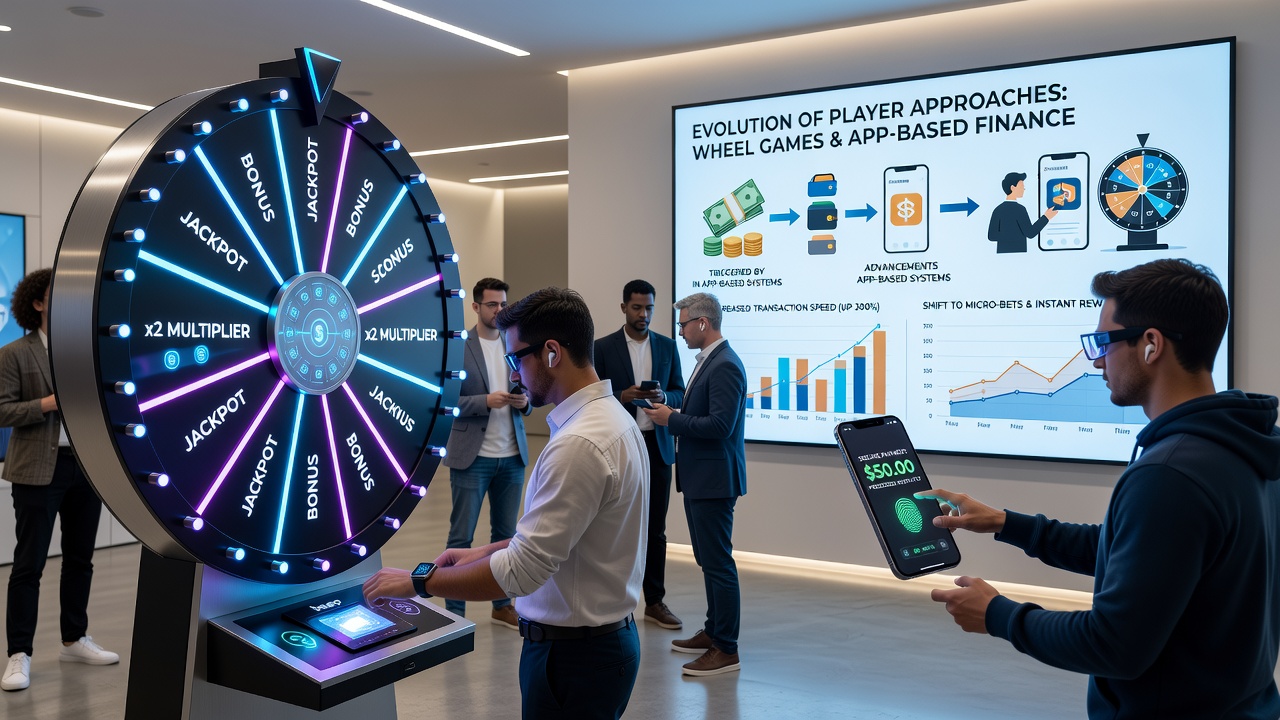
Wheel-based games have seen noticeable changes in how participants engage with them as app-based financial systems continue to mature, and these developments have altered deposit speeds, withdrawal reliability, and overall session management in portable environments. Players now interact with variants such as European roulette, American roulette, and specialized live dealer wheels through streamlined transaction layers that reduce friction between decision points and fund movements.
Payment Infrastructure Developments Reshaping Access
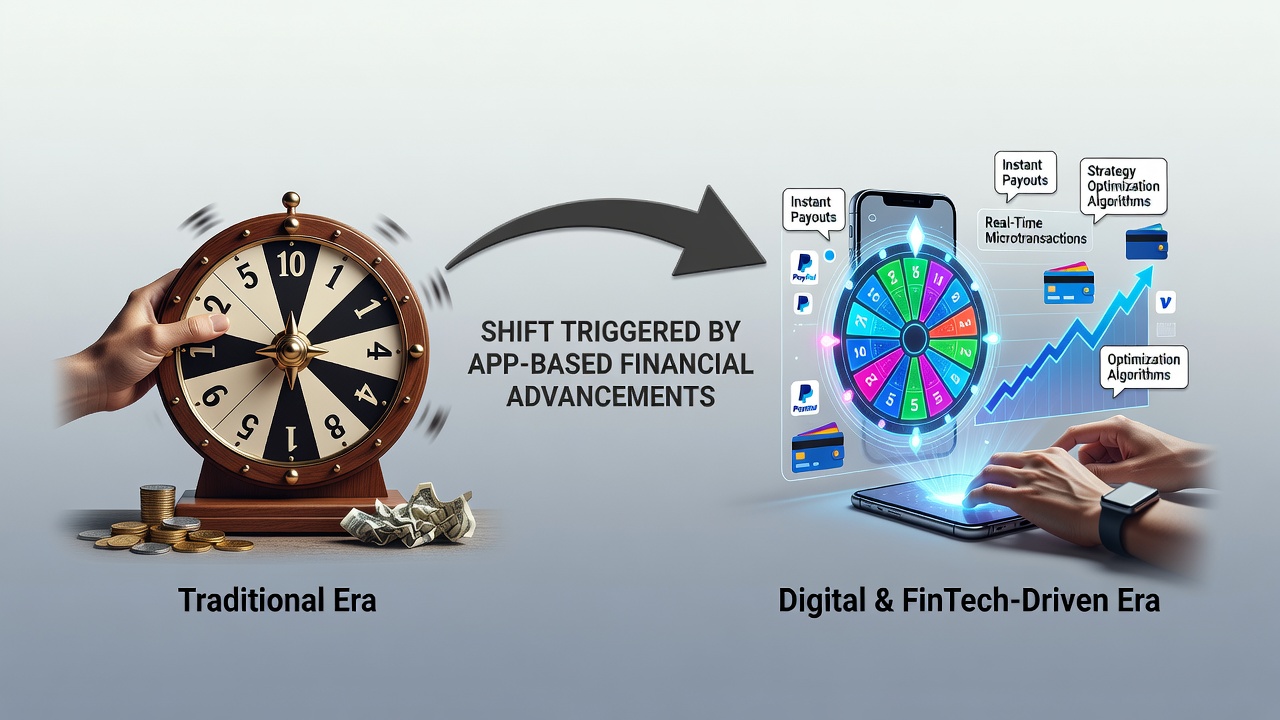
App-based processing tools integrate real-time verification protocols that allow funds to move within seconds rather than minutes or hours, which means participants adjust their timing strategies around bankroll allocation during extended wheel sessions. Data compiled through mid-2026 indicates higher frequency of smaller, repeated deposits compared with earlier patterns that relied on batch transfers completed at the start of play periods. Observers note that seamless integration between digital wallets and casino platforms enables immediate responses to table dynamics without leaving the game interface.
Regulatory updates in several jurisdictions during June 2026 further standardized encryption requirements for these transfers, prompting developers to refine user flows so that balance updates appear instantaneously on screen. This technical consistency supports more granular betting adjustments, particularly in games where wheel segments and payout multipliers shift rapidly between spins.
Observed Changes in Betting Patterns and Session Lengths
Analyses of transaction logs reveal that players increasingly distribute wagers across multiple wheel variants within a single login period because instant reload options remove previous barriers associated with slower funding methods. Instead of committing large initial amounts, many now maintain modest running balances and top them up in response to specific wheel outcomes or dealer tendencies observed during live streams.
Research conducted by independent gaming analytics groups shows average session duration for roulette titles extended by measurable margins once processing times dropped below thirty seconds for both incoming and outgoing movements. Participants appear more willing to explore side bets and neighbor wagers when they know additional capital remains accessible without interrupting the flow of spins.
Integration With Loyalty Mechanisms and Reward Structures
Modern financial apps often embed tracking layers that automatically log transaction volumes and feed them into casino loyalty engines, which in turn influence tier progression rates for wheel game enthusiasts. Faster processing cycles allow reward points to accumulate in near real time, encouraging continued play across different roulette formats rather than isolated sessions separated by manual reconciliation steps.
According to figures released by the European Gaming and Betting Association, portable platforms utilizing advanced payment rails recorded elevated redemption rates for wheel-specific bonuses throughout the first half of 2026. These metrics align with player movement data suggesting that reduced wait times for cleared funds correlate with broader experimentation across wheel variants and stake levels.
Regulatory Context and Security Enhancements
Jurisdictions updating their digital transaction guidelines in early 2026 placed emphasis on multi-factor authentication paired with instant settlement capabilities, creating environments where trust in fund safety supports longer engagement windows. Participants benefit from transparent audit trails displayed directly within apps, which reduces hesitation when shifting between standard wheels and high-volatility variants that feature accelerated spin cycles.
Industry reports compiled by the Canadian Gaming Association highlight parallel growth in cross-border play facilitated by compliant payment processors that maintain consistent performance across regional boundaries. Such infrastructure supports stable access to wheel-based offerings without the interruptions previously caused by verification delays or currency conversion holds.
Future Trajectories for Wheel Game Engagement
Continued refinement of app-based financial tools points toward even tighter coupling between payment events and in-game analytics, potentially allowing predictive interfaces that suggest stake adjustments based on recent transaction history and wheel performance data. These capabilities remain under active development as of June 2026, with several major platforms piloting features that sync balance alerts directly to betting consoles.
Conclusion
Advancements in app-based financial processing have produced measurable shifts in how individuals approach wheel-based games, particularly through faster fund movements, integrated reward tracking, and enhanced session continuity. Transaction records and platform metrics demonstrate these changes across multiple markets, establishing new operational norms for portable roulette participation that continue to evolve alongside security standards and device capabilities.