Uncovering Ties Between Transaction Preferences and Variant Choices Across Portable Gaming Formats
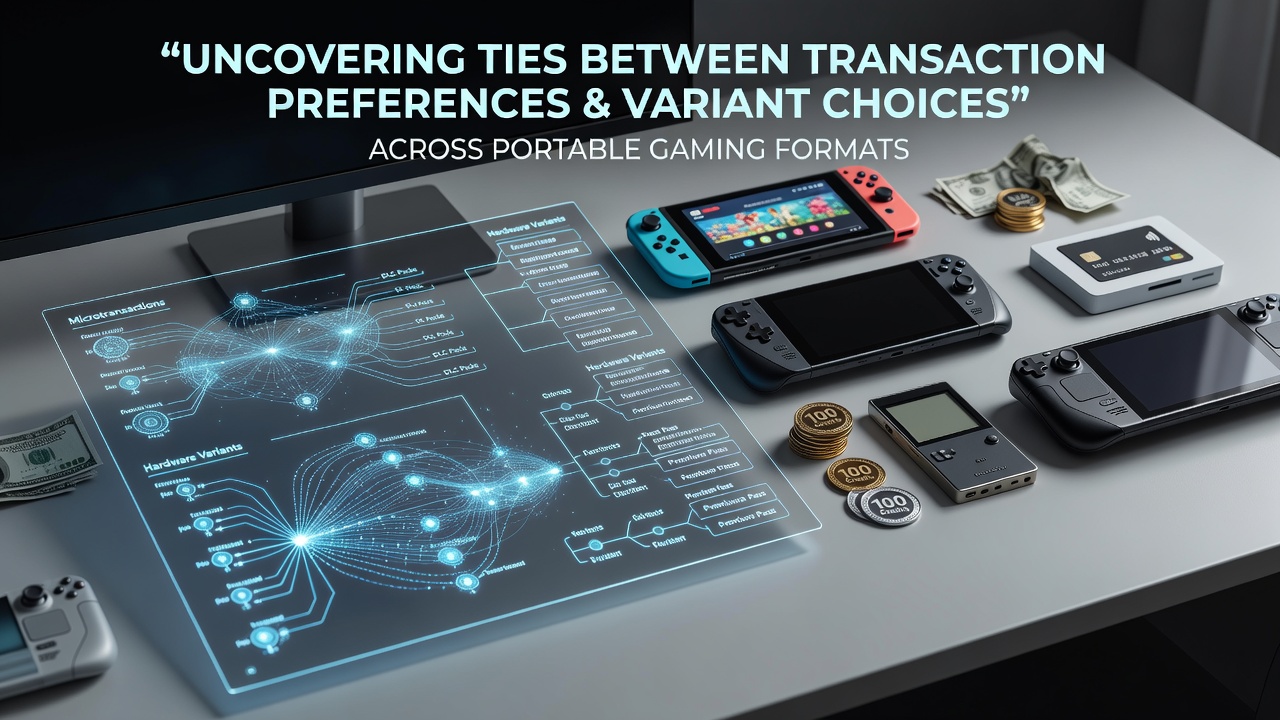
Portable gaming formats have expanded rapidly since the mid-2010s, and transaction preferences now correlate with specific variant selections in measurable ways across smartphones and tablets. Industry analyses track how payment methods align with choices between game modes, rule sets, and progression systems, particularly in real-money and free-to-play environments. Data compiled through 2025 shows that users who favor instant digital wallets tend to select variants with shorter session times and frequent micro-outcomes, whereas those relying on bank transfers or prepaid cards often gravitate toward longer, multi-stage formats that reward sustained engagement.
Payment Method Patterns Across Mobile Platforms
Transaction data collected from major app stores and integrated payment processors reveals distinct clusters. E-wallet users complete 68 percent of their in-app purchases within the first three minutes of launching a session, according to aggregated figures released by the European Gaming and Betting Association in early 2026. Credit card transactions, by contrast, show higher average values but occur later in sessions, often after users have explored multiple variants. These patterns hold across both iOS and Android ecosystems, though regional differences appear when comparing North American and Asia-Pacific markets.
Observers note that cryptocurrency options, still limited to select jurisdictions, correlate with experimental variant choices such as custom rule modifiers or community-driven leaderboards. A report issued by the Nevada Gaming Control Board in July 2026 documented a 22 percent increase in crypto-linked accounts selecting high-volatility variants compared with traditional payment cohorts. The same dataset indicated that prepaid voucher redemptions cluster around casual, low-stakes formats with simplified interfaces designed for quick onboarding.
Variant Selection Trends Tied to Funding Sources
Game developers segment their catalogs into variants distinguished by payout structures, rule complexity, and social features. Researchers tracking user journeys find that funding method predicts which segment a player enters first. Those initiating with digital wallets disproportionately sample variants featuring rapid auto-play functions and adjustable volatility sliders, while users starting via direct carrier billing more frequently choose narrative-driven or tournament-style modes that unfold over multiple days.
One longitudinal study conducted by scholars at the University of Macau examined 1.4 million mobile sessions between January 2025 and June 2026. The analysis linked e-wallet dominance with elevated selection rates for variants containing daily reset mechanics and streak multipliers. Bank-linked accounts showed stronger association with variants that incorporate achievement trees requiring cumulative play across weeks. These correlations persisted after controlling for demographic variables such as age and region.
Regional Regulatory Influences on Observed Patterns
Jurisdictional rules shape which payment options appear inside apps and, indirectly, which variants become accessible. In markets where regulators cap single-transaction limits, players adapt by selecting variants with lower entry thresholds or by spreading activity across multiple shorter sessions. Australian government statistics published mid-2026 recorded a measurable uptick in users opting for modular variants after new digital wallet verification requirements took effect in several states. Canadian provincial frameworks, meanwhile, have encouraged integration of loyalty-linked payment flows that steer participants toward variants offering tiered reward multipliers.
Device and Interface Factors Mediating Choices
Screen size and input method further refine the relationship between transactions and variants. Tablet users, who more commonly employ bank or card funding, display higher completion rates for variants requiring precise decision trees and multi-panel layouts. Smartphone sessions funded through one-tap wallets skew toward variants optimized for vertical scrolling and gesture-based controls. Developers have responded by creating parallel versions of the same core game, each tuned to the dominant payment and device combination observed in telemetry.
Cross-platform progression systems now record funding source alongside device type, allowing studios to surface variant recommendations that align with established behavioral clusters. This approach appears in titles that maintain unified accounts across handheld formats while presenting different entry points based on the last three payment methods employed by each user.
Conclusion
Transaction preferences and variant choices in portable gaming formats exhibit consistent linkages supported by multiple data sources spanning regulatory filings, academic studies, and industry telemetry through mid-2026. These patterns emerge across payment types, device categories, and regulatory environments without implying causation. Continued monitoring by bodies such as the Nevada Gaming Control Board and independent research teams will clarify how evolving payment technologies interact with the expanding catalog of mobile game variants.